The ScanNanoTreat Concept
A New Paradigm in Cancer Care
ScanNanoTreat introduces a breakthrough approach to the diagnosis and treatment of solid tumours. Instead of today’s fragmented cancer pathway, where imaging, diagnosis, treatment planning, and therapy happen separately, often over weeks, ScanNanoTreat brings these steps together into a single, integrated theranostic platform.
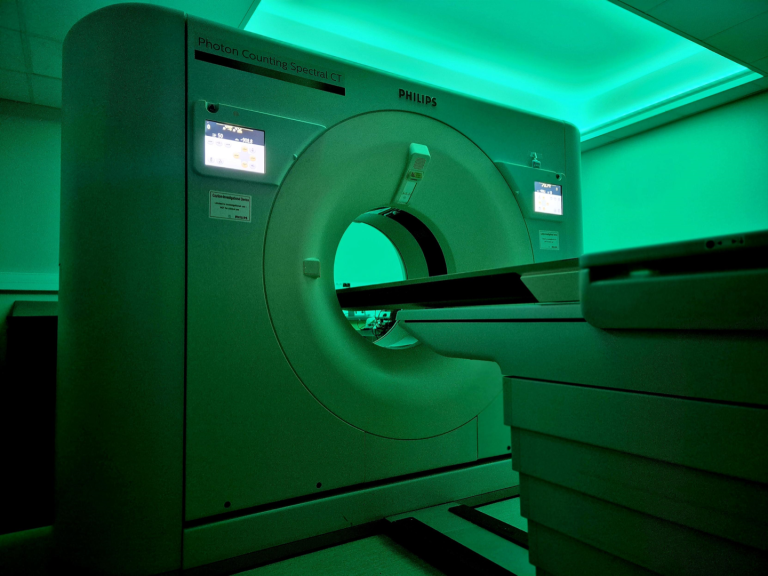
Theranostics unifies therapy and diagnostics, enabling clinicians to see and treat cancer with unprecedented precision. ScanNanoTreat takes this concept further by combining two disruptive technologies: Spectral Photon Counting CT (SPCCT) and X-ray activated Photodynamic Therapy (X-PDT). This unique integration allows tumours to be visualised and treated using one coordinated system.
Why a New Concept Is Needed
Europe faces rising cancer incidence and growing pressure on clinical workflows. Treatment pathways are often slow and expensive, with patients exposed to significant radiation across multiple imaging and therapy sessions. Healthcare systems are struggling with demand, staffing shortages, and increasing treatment costs.
ScanNanoTreat addresses these challenges directly by:
- Shortening the full diagnosis-to-therapy cycle
- Reducing radiation exposure by more than 30%
- Improving treatment precision and reducing side effects
- Lowering overall cancer care costs by up to 40%
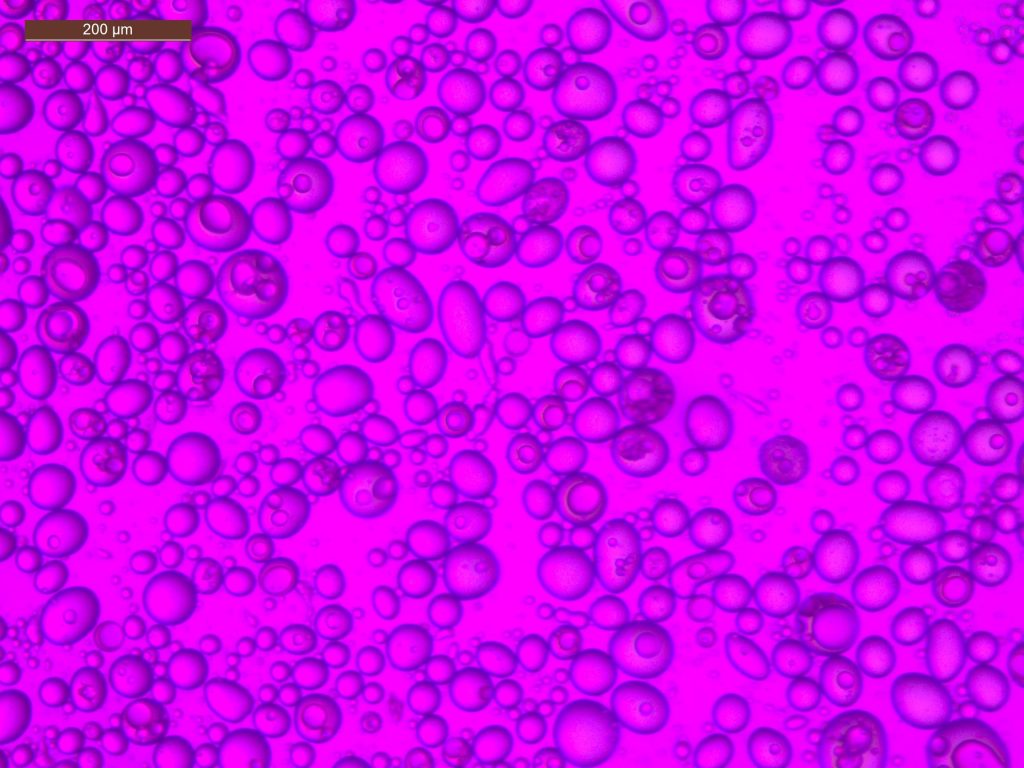
Photo : Eric Le Roux / Université Claude Bernard Lyon 1 Photo: Emulsion / Guerbet
An Integrated Theranostic Approach
- 1. Advanced Imaging Through SPCCT
Spectral Photon Counting CT provides a new generation of X-ray imaging that captures finely detailed, low-energy images and distinguishes materials with much greater accuracy than conventional CT. For cancer care, this means clearer visualisation and more informed treatment decision-making.
- Targeted Treatment Using Nanoprobe-Triggered X-PDT
ScanNanoTreat’s specially designed gadolinium-based nanoprobes are activated by low-energy X-rays. When activated, they produce therapeutic effects that damage tumour cells with high precision while sparing surrounding healthy tissue.
Imaging Driven Therapy
Our approach combines innovative nanoparticles with SPCCT imaging to seamlessly connect diagnosis, planning, and treatment.
SPCCT provides:
- precise tumour visualisation for Accurate diagnosis and characterisation
- quantitative mapping of nanoparticle distribution, enabling Optimised therapeutic activation & monitoring and prediction of treatment response
These innovative nanoparticles + SPCCT synergy delivers a more controlled, personalized, and effective therapeutic pathway, where imaging becomes a central driver of improved cancer treatment.